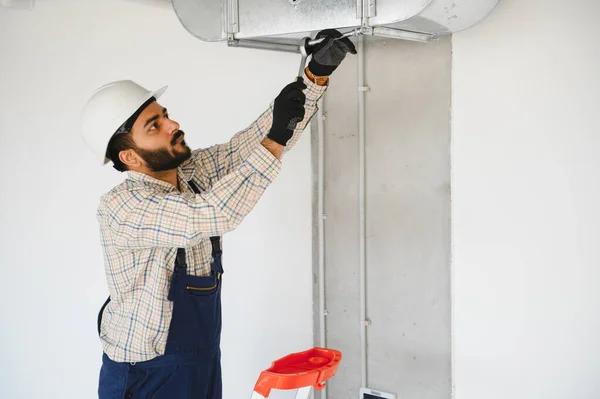
An HVAC contractor plays a crucial role in helping homeowners and businesses reduce their energy bills through expert knowledge, efficient system design, and proper maintenance. Heating, ventilation, and air conditioning systems are among the largest consumers of energy in any building. When these systems operate inefficiently or are poorly maintained, they can lead to unnecessarily high energy costs. An experienced HVAC professional evaluates existing equipment and recommends improvements that enhance performance while minimizing power consumption.
One way an HVAC contractor helps lower energy expenses is by conducting thorough assessments of current heating and cooling setups. This evaluation includes checking for leaks in ductwork, inspecting insulation quality, verifying thermostat settings, and analyzing system age and condition. Identifying inefficiencies allows contractors to suggest targeted solutions such as sealing ducts or upgrading components that consume excessive electricity or fuel. These adjustments ensure find the answers system runs smoothly without wasting resources.
Upgrading outdated units with modern high-efficiency models is another effective strategy employed by HVAC contractors to cut down on utility bills. Newer equipment often features advanced technology designed to optimize energy use while maintaining comfort levels indoors. For example, variable speed motors adjust airflow based on demand rather than operating at full capacity constantly. Similarly, heat pumps provide both heating and cooling more efficiently compared to traditional furnaces or air conditioners alone.
Proper installation also significantly impacts how well an HVAC system performs over time. Contractors ensure that new devices fit correctly within the space available and connect seamlessly with existing infrastructure like ductwork or electrical wiring. A precise setup prevents unnecessary strain on components that could increase consumption due to malfunctioning parts working harder than needed.
Routine maintenance services provided by professionals further contribute to lowering energy costs by keeping systems clean and functioning optimally throughout their lifespan. Regular tasks include replacing filters regularly to improve airflow quality; cleaning coils which enhances heat exchange efficiency; lubricating moving parts so they do not overwork; calibrating thermostats for accurate temperature control; checking refrigerant levels preventing compressor overloads; as well as diagnosing potential issues before they escalate into costly repairs requiring more power usage.
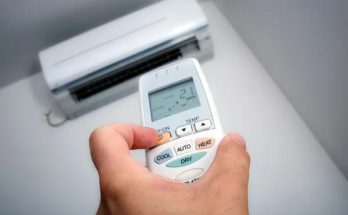
Additionally, many HVAC contractors offer advice on smart thermostat installation or programmable controls tailored specifically for individual needs-allowing users greater command over when heating or cooling occurs based on occupancy patterns rather than fixed schedules set manually.
By combining expert evaluation with strategic upgrades, meticulous installation practices, ongoing maintenance programs, and user-friendly control options provided by skilled HVAC contractors help reduce overall energy consumption effectively leading directly toward lower monthly utility bills while maintaining comfortable indoor environments year-round without sacrificing convenience or reliability in operation.