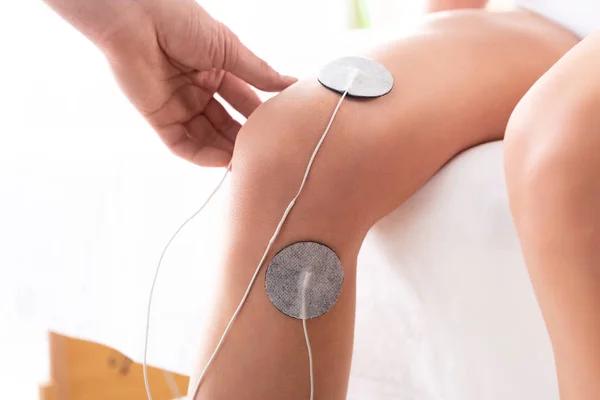
Visiting a physiotherapy clinic for the first time can be an enlightening experience, offering significant insights into your physical health and well-being. The initial appointment is crucial as it sets the foundation for your treatment plan and helps establish a rapport with your physiotherapist. Understanding what to expect during this visit can help alleviate any apprehensions and ensure you make the most out of the session.
Upon arrival at the clinic, you will likely be greeted by administrative staff who will assist you with necessary paperwork. This documentation typically includes personal information, medical history, insurance details, and consent forms. It’s advisable to arrive a few minutes early to complete these formalities without feeling rushed.
Once you’ve settled in, you’ll meet with your physiotherapist. This professional is trained to assess and treat various musculoskeletal issues through non-invasive methods such as exercises, manual therapy, and education about body mechanics. Your therapist will begin by discussing your primary concerns or symptoms that led you to seek physiotherapy. Be prepared to provide detailed descriptions of any pain or discomfort you’re experiencing, including its intensity, frequency, and triggers.
The conversation will also delve into your medical history and lifestyle factors that might influence your condition or recovery process. This comprehensive assessment allows the therapist to tailor their approach specifically to your needs.
Following this discussion is a physical examination where the therapist evaluates aspects like posture, range of motion, strength levels, flexibility, balance, and gait patterns. You may need to perform certain movements or exercises so they can observe how different parts of your body function together.
Based on these findings combined with information from earlier discussions; an individualized treatment plan will be crafted just for you! The goal read more here isn’t only symptom relief but addressing underlying causes while promoting long-term wellness too!
Your therapist should explain each component thoroughly—what techniques they’ll use (e.g., manual therapy), recommended home exercises along timelines expected progress etc.—and encourage questions throughout entire process ensuring clarity understanding between both parties involved!
It’s important remember though every case unique therefore results vary person-to-person patience dedication key successful outcomes!