
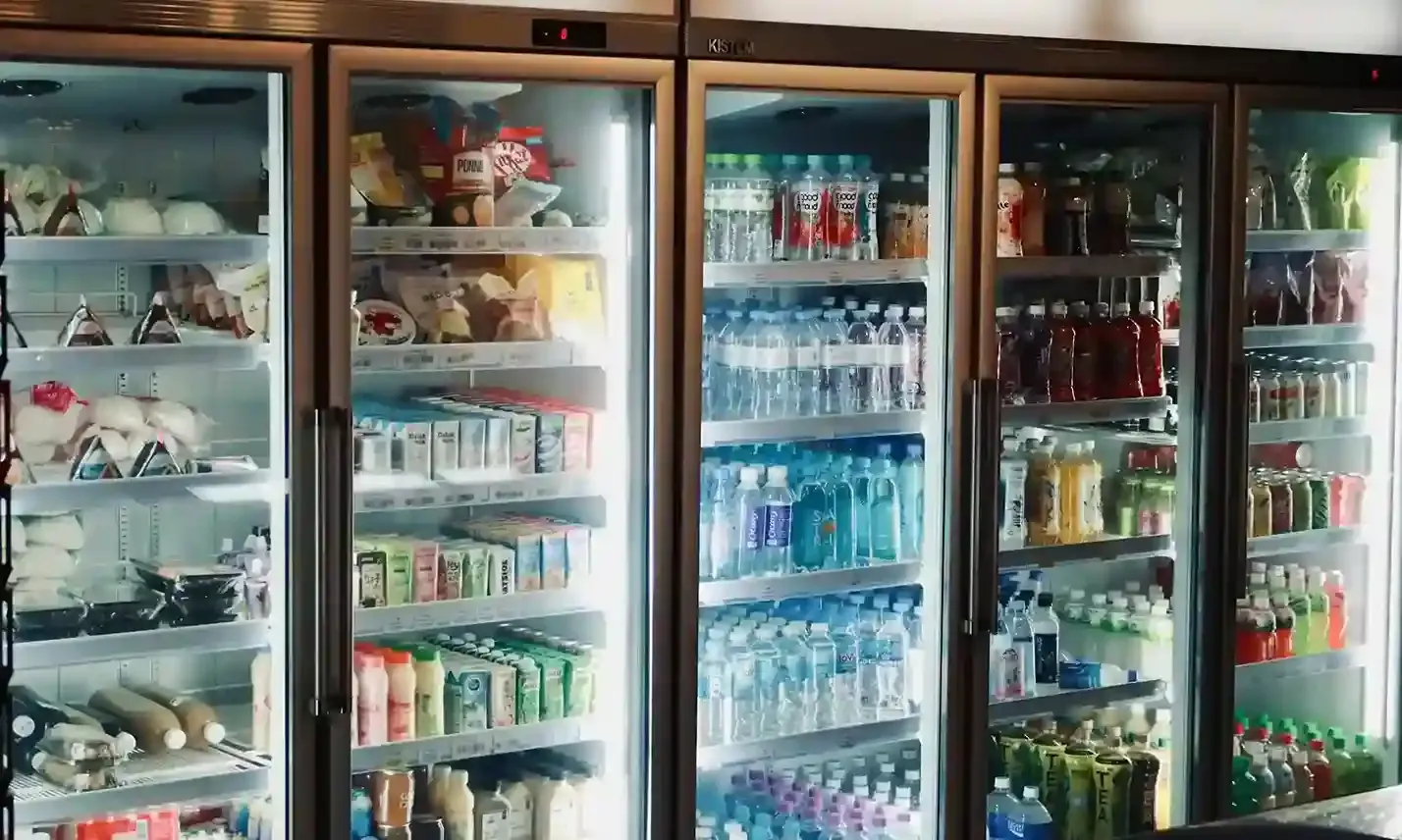
Selecting the appropriate commercial refrigeration system is a critical decision for any business that relies on maintaining fresh products, whether it is a restaurant, grocery store, or catering service. The right refrigeration unit not only preserves the quality of perishable goods but also contributes to operational efficiency and cost savings over time. When choosing a system, several key factors must be considered to ensure it aligns with your specific business needs.
First, assess the type and volume of items you need to store. Different businesses require different types of refrigeration solutions; for example, restaurants often need reach-in refrigerators or under-counter units for quick access during food preparation, while grocery stores may require large walk-in coolers or display cases. Understanding your storage capacity requirements helps prevent both overcrowding and wasted space. Additionally, consider how frequently you will access the refrigerated items since some systems are designed for rapid retrieval while others prioritize long-term storage.
Energy efficiency is another crucial consideration due to its impact on operating costs and environmental footprint. Modern Commercial Refrigeration systems come equipped with advanced insulation materials and energy-saving compressors that reduce electricity consumption without compromising performance. Investing in an energy-efficient model can lead to significant savings over time and may qualify your business for rebates or tax incentives offered by local governments or utility companies.
The size and layout of your workspace should also influence your choice. Measure available space carefully before selecting equipment to avoid installation issues later on. Some units require additional clearance around them for proper ventilation and maintenance access. It’s important to choose models that fit comfortably within your kitchen or storage area without obstructing workflow or violating health codes.
Maintenance requirements play an equally important role in deciding which system suits your operation best. Refrigeration equipment requires regular cleaning, inspections, and occasional repairs to maintain optimal functionality. Selecting a brand known for reliability along with accessible customer support can minimize downtime caused by unexpected breakdowns.
Lastly, budget constraints inevitably affect purchasing decisions but should be balanced against long-term value rather than initial cost alone. Cheaper units might save money upfront but could result in higher repair expenses or inefficient cooling performance down the line.
By carefully evaluating these factors-storage needs, energy efficiency, spatial considerations, maintenance demands, and budget-you can select a commercial refrigeration system that supports both product quality preservation and overall business success effectively over time.
