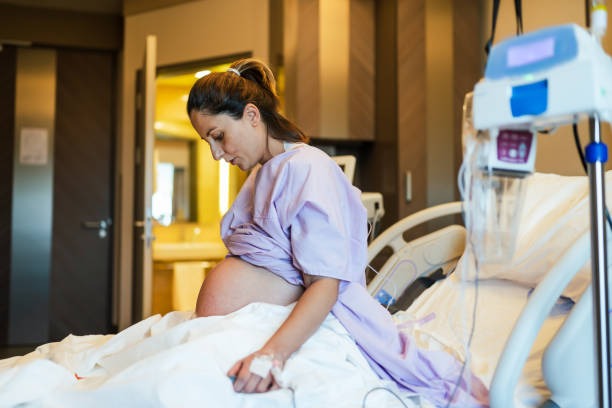
A thin endometrium is a common concern in in vitro fertilization (IVF) cycles, as it can significantly affect the chances of successful embryo implantation and pregnancy. The endometrium is the inner lining of the uterus, which thickens each menstrual cycle to prepare for potential embryo implantation. When this lining remains too thin, typically less than 7 millimeters on ultrasound during the mid-cycle phase, it may not provide an optimal environment for embryos to attach and grow. Understanding the causes, symptoms, and care options associated with a thin endometrium is crucial for patients undergoing IVF treatment.
Several factors can contribute to a thin endometrial lining. Hormonal imbalances are among the most common causes; inadequate levels of estrogen prevent proper proliferation of the uterine lining. Additionally, previous uterine surgeries such as dilation and curettage (D&C), cesarean sections, or myomectomy may result in scarring or damage that impairs endometrial growth. Chronic infections or inflammation within the uterus can also lead to thinning by disrupting normal tissue regeneration. Other contributors include certain medical conditions like Asherman’s syndrome-a condition characterized by intrauterine adhesions-and lifestyle factors such as smoking or poor blood flow to the uterus caused by vascular issues.
Symptoms related to a thin endometrium are often subtle or absent since this condition primarily affects fertility rather than causing overt physical discomfort. Some women might experience irregular menstrual cycles or lighter periods due to insufficient buildup of uterine tissue each month. However, many remain unaware of their thin endometrium until they encounter difficulties conceiving naturally or during assisted reproductive procedures like IVF.
Addressing a thin endometrial lining involves various care strategies tailored to individual needs and underlying causes. Hormonal therapies play a central role; estrogen supplementation aims to stimulate thickening of the uterine lining before embryo transfer in IVF cycles. In some cases, adding low-dose aspirin improves blood flow within the uterus, enhancing nutrient delivery essential for tissue growth. Other treatments include pentoxifylline combined with vitamin E supplements that help improve circulation and reduce fibrosis in damaged areas.
Emerging approaches such as platelet-rich plasma (PRP) infusion into the uterine cavity show promise by promoting regenerative healing processes but require further research for widespread adoption. Lifestyle modifications including quitting smoking, maintaining healthy body weight, managing stress levels effectively through relaxation techniques also support overall reproductive health.
Close monitoring through transvaginal ultrasound allows clinicians to assess changes in thickness throughout stimulation phases during IVF cycles and adjust treatment accordingly for better outcomes. While having a consistently adequate endometrial thickness does not guarantee pregnancy success alone-embryo quality and other factors matter greatly-it remains an important aspect influencing implantation potential.
In summary, recognizing thin endometrium causes helps guide appropriate interventions aimed at improving uterine receptivity during IVF treatments. Although symptoms might be minimal outside fertility challenges, proactive management combining hormonal support with supportive therapies enhances chances of achieving pregnancy despite initial concerns about insufficient uterine lining development.
Head Office
168, BSNL Road, Near BSNL office, Sector 3, Hiran magri, Udaipur, Rajasthan 313001
Call
+91 90018 38800
+91 90019 97440
Email Us
[email protected]
Operating Hours
Mon – Sat 9 AM – 6 PM
Sunday 9 AM – 4 PM