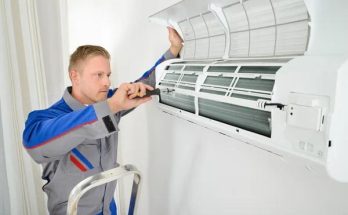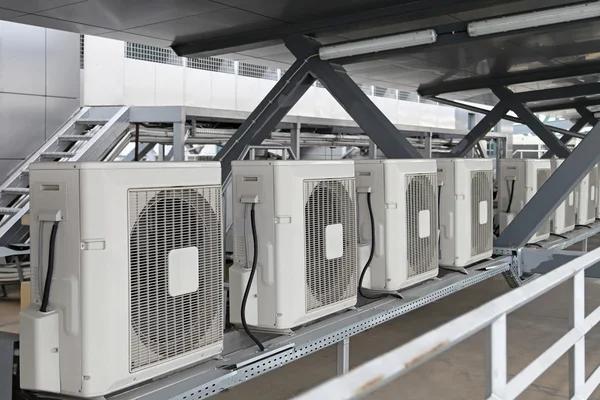
Air conditioners are essential appliances that provide comfort during hot weather, but like any mechanical device, they can encounter problems over time. Understanding common issues and how to address them can save homeowners both time and money. One frequent problem is insufficient cooling, which often results from dirty or clogged air filters. When filters accumulate dust and debris, airflow is restricted, reducing the unit’s efficiency. Regularly cleaning or replacing filters every one to three months helps maintain proper airflow and improves cooling performance.
Another widespread issue is water leakage around the indoor unit. This usually occurs when the condensate drain line becomes blocked with dirt or mold, causing water to back up and spill inside the home. Clearing the drain line with a vacuum or flushing it with a mixture of bleach and water can resolve this problem effectively. In some cases, ensuring that the air conditioner is properly leveled also prevents water from leaking indoors.
Unusual noises coming from an air conditioner may indicate mechanical problems such as loose parts, worn-out fan belts, or debris caught in the system. Tightening screws and bolts can eliminate rattling sounds while inspecting fan blades for damage allows you to replace them if necessary. If squealing explore deeper noises persist, lubricating motor bearings might be required to reduce friction.
When an air conditioner fails to turn on at all, electrical issues are often at fault. Checking circuit breakers for tripped switches should be your first step since resetting them may restore power immediately. Additionally, inspecting wiring connections for corrosion or looseness ensures safe operation; however, handling electrical components requires caution and professional assistance if you lack experience.
A frozen evaporator coil is another common concern that leads to poor cooling capabilities. This freezing typically happens due to low refrigerant levels caused by leaks or inadequate airflow due to dirty filters or blocked vents. Turning off the system allows ice buildup to melt naturally while addressing underlying causes prevents recurrence.
Thermostat malfunctions also affect temperature regulation within a space by providing inaccurate readings or failing altogether. Calibrating your thermostat according to manufacturer instructions often restores proper function; otherwise replacing outdated models improves reliability significantly.
Routine maintenance remains key in preventing most air conditioning troubles before they escalate into costly repairs. Scheduling annual professional inspections ensures refrigerant levels remain optimal while technicians clean coils thoroughly and check overall system health.