
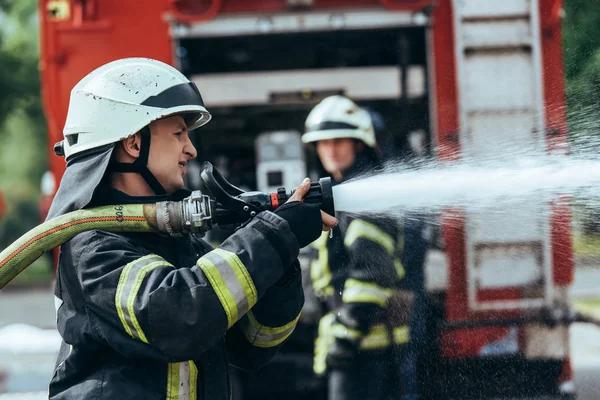
In today’s rapidly evolving business environment, the importance of fire safety as a component of modern risk management cannot be overstated. Fire safety measures are integral to reducing operational risks and ensuring the continuity of business operations. By integrating comprehensive fire safety protocols into their risk management strategies, businesses can significantly mitigate the potential for devastating losses.
Fire safety in business is not merely about compliance with regulations; it is a proactive strategy that safeguards assets, protects employees, and ensures customer trust. The implementation of robust fire prevention systems such as advanced detection technologies and automatic suppression systems forms the backbone of an effective fire safety program. These technologies enable early detection and swift response to potential fire incidents, thereby minimizing damage and disruption.
Moreover, employee training plays a critical role in enhancing fire safety within organizations. Regular drills and education programs empower employees with knowledge on how to respond effectively during emergencies. This preparedness reduces panic, facilitates orderly evacuations, and ensures that minor incidents do not escalate into major disasters. A well-trained workforce acts as explore the possibilities further first line of defense against fires, which substantially decreases operational downtime.
Another key aspect is conducting thorough risk assessments to identify potential hazards within facilities. By understanding specific vulnerabilities—whether due to equipment malfunctions or flammable materials—businesses can implement targeted measures to address these risks proactively. Risk assessments should be ongoing processes that evolve with changes in operations or infrastructure.
The integration of technology also revolutionizes how companies approach fire safety today. IoT devices offer real-time monitoring capabilities that enhance situational awareness across large facilities or multiple sites simultaneously. Smart sensors can provide data analytics insights that help predict potential issues before they arise, allowing businesses to take preventive actions promptly.
Furthermore, collaboration with local emergency services enhances a company’s preparedness level significantly. Establishing clear communication channels ensures rapid response times from firefighting units when required while providing valuable insights during joint exercises aimed at improving overall readiness levels across both parties involved.
Insurance considerations further underscore why investing heavily in modernized approaches towards managing this particular type-of-risk pays off long-term dividends: lower premiums often accompany demonstrable efforts made by firms showing commitment towards maintaining high standards related directly back onto safeguarding themselves against unforeseen events like fires occurring unexpectedly without warning whatsoever!
In conclusion: incorporating comprehensive yet flexible frameworks tailored specifically around addressing unique needs faced daily head-on empowers organizations worldwide regardless size industry sector operate under alike because ultimately everyone stands benefit collectively shared goal achieving safer work environments conducive productivity growth sustainable success future generations come enjoy too!
