
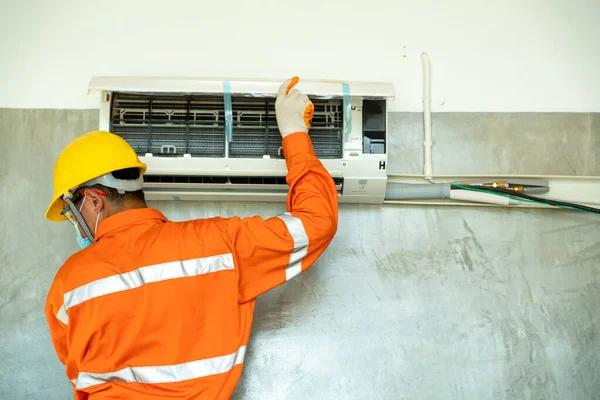
Refrigerant leaks in an air conditioning system can significantly impact both its efficiency and the comfort it provides. Refrigerants are crucial for the heat exchange process that allows air conditioning systems to cool indoor spaces. When a leak occurs, it disrupts this process, leading to several adverse effects.
One of the primary impacts of refrigerant leaks is on the efficiency of the air conditioning system. The refrigerant is responsible for absorbing heat from indoor air and releasing it outside. A reduced amount of refrigerant due to a leak means there is less capacity for heat absorption and transfer. Consequently, the system must work harder and run longer cycles to achieve explore the offerings desired temperature, consuming more energy in the process. This inefficiency not only leads to higher electricity bills but also increases wear and tear on system components, potentially shortening their lifespan.
Moreover, as efficiency declines, so does cooling performance. With insufficient refrigerant levels, an air conditioner may struggle to reach set temperatures or maintain consistent cooling throughout a space. This inconsistency can lead to discomfort as some areas remain warmer than others or experience fluctuating temperatures. Occupants may find themselves constantly adjusting settings in search of relief, often without success.
In addition to affecting temperature control directly, refrigerant leaks can also contribute indirectly by causing other issues within the system.
